Boosting Customer Engagement with AI Solutions
In today's fast-paced world, customer engagement is more crucial than ever. Companies are constantly seeking innovative ways to connect with their customers, and one of the most promising avenues is through AI logistics solutions. These technologies not only streamline operations but also enhance the customer experience, leading to increased satisfaction and loyalty.
Understanding AI Logistics Solutions
AI logistics solutions encompass a range of technologies that leverage artificial intelligence to improve supply chain management, inventory control, and delivery processes. By automating routine tasks and providing data-driven insights, these solutions help businesses operate more efficiently and respond to customer needs more effectively.
Key Components of AI supply chain operations
Predictive Analytics: This involves using historical data to forecast future trends, allowing companies to anticipate customer demands and adjust their logistics strategies accordingly.
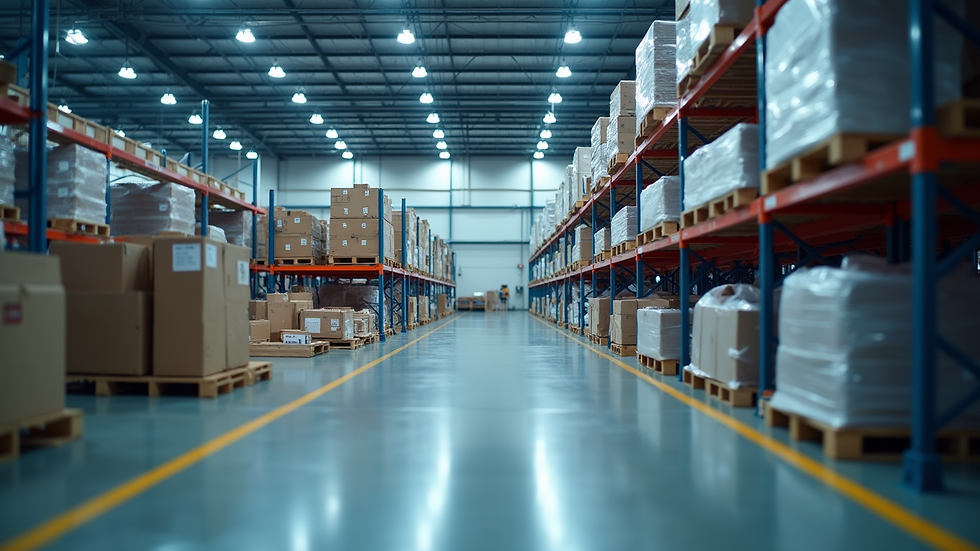
Automated Warehousing: Robotics and AI systems can optimize warehouse operations, from inventory management to order fulfillment, reducing human error and increasing speed.
Real-Time Tracking: AI-powered tracking systems provide customers with up-to-date information about their orders, enhancing transparency and trust.
Route Optimization: AI algorithms can analyze traffic patterns and delivery routes to determine the most efficient paths, reducing delivery times and costs.
Customer Interaction: Chatbots and virtual assistants can handle customer inquiries, providing instant support and freeing up human agents for more complex issues.
The Impact of AI on Customer Engagement
Enhanced Communication
AI logistics solutions facilitate better communication between businesses and their customers. For instance, real-time tracking updates keep customers informed about their order status, reducing anxiety and uncertainty. This transparency fosters trust and encourages repeat business.
Personalized Experiences
By analyzing customer data, AI can help businesses tailor their offerings to individual preferences. For example, if a customer frequently orders a specific product, AI can suggest similar items or notify them of promotions related to their interests. This level of personalization enhances the customer experience and drives engagement.
Faster Response Times
With AI handling routine inquiries and providing instant support, customers receive quicker responses to their questions. This efficiency not only improves customer satisfaction but also allows human agents to focus on more complex issues, further enhancing service quality.
Predictive Customer Service
AI can analyze customer behavior to predict potential issues before they arise. For example, if a delivery is likely to be delayed due to weather conditions, AI can proactively inform the customer and offer alternative solutions. This proactive approach demonstrates a commitment to customer satisfaction and can significantly boost engagement.
Real-World Examples of AI supply chain operationsSolutions
Amazon
Amazon is a prime example of a company that has successfully integrated AI into its logistics operations. With advanced algorithms for route optimization and predictive analytics, Amazon can deliver packages faster than many competitors. Their use of AI-driven chatbots also enhances customer service, providing instant answers to common inquiries.
Walmart
Walmart employs AI to manage its vast supply chain effectively. By utilizing predictive analytics, Walmart can forecast demand for products, ensuring that shelves are stocked appropriately. This not only improves customer satisfaction but also reduces waste and operational costs.
DHL
DHL has implemented AI solutions to optimize its delivery processes. With real-time tracking and automated warehousing, DHL can provide customers with accurate delivery estimates and enhance overall service efficiency. Their commitment to leveraging technology has made them a leader in the logistics industry.
Challenges in Implementing AI supply chain Solutions
While the benefits of AI logistics solutions are clear, there are challenges that businesses must navigate:
High Initial Costs
Implementing AI technologies can require significant upfront investment. Companies must weigh the costs against the potential long-term benefits to determine if the investment is worthwhile.
Data Privacy Concerns
As AI relies heavily on data, businesses must ensure they are handling customer information responsibly. Compliance with data protection regulations is essential to maintain customer trust.
Integration with Existing Systems
Integrating AI solutions with legacy systems can be complex. Companies may need to invest in additional resources to ensure a smooth transition and minimize disruptions.
Skills Gap
There is often a skills gap when it comes to managing AI technologies. Businesses may need to invest in training or hire new talent to effectively implement and maintain these solutions.
Future Trends in AI Logistics
As technology continues to evolve, several trends are emerging in the realm of AI logistics:
Increased Automation
The trend towards automation is expected to grow, with more companies adopting AI-driven solutions to streamline operations. This will likely lead to faster delivery times and improved customer experiences.
Enhanced Data Analytics
As AI technologies advance, the ability to analyze vast amounts of data will improve. This will enable businesses to gain deeper insights into customer behavior and preferences, allowing for even more personalized experiences.
Greater Focus on Sustainability
With growing concerns about environmental impact, AI logistics solutions will increasingly focus on sustainability. Companies will leverage AI to optimize routes and reduce emissions, appealing to environmentally conscious consumers.
Collaborative Robots
The use of collaborative robots, or cobots, is expected to rise in warehouses and fulfillment centers. These robots can work alongside human employees, enhancing productivity and efficiency.
Conclusion
AI l supply chain solutions are transforming the way businesses engage with their customers. By improving communication, personalizing experiences, and enhancing service efficiency, companies can significantly boost customer engagement. As technology continues to advance, those who embrace AI in their logistics operations will be well-positioned to thrive in a competitive marketplace.
To stay ahead, businesses should consider investing in AI logistics solutions that align with their goals and customer needs. By doing so, they can create a more engaging and satisfying experience for their customers, ultimately driving loyalty and growth.


Comments